
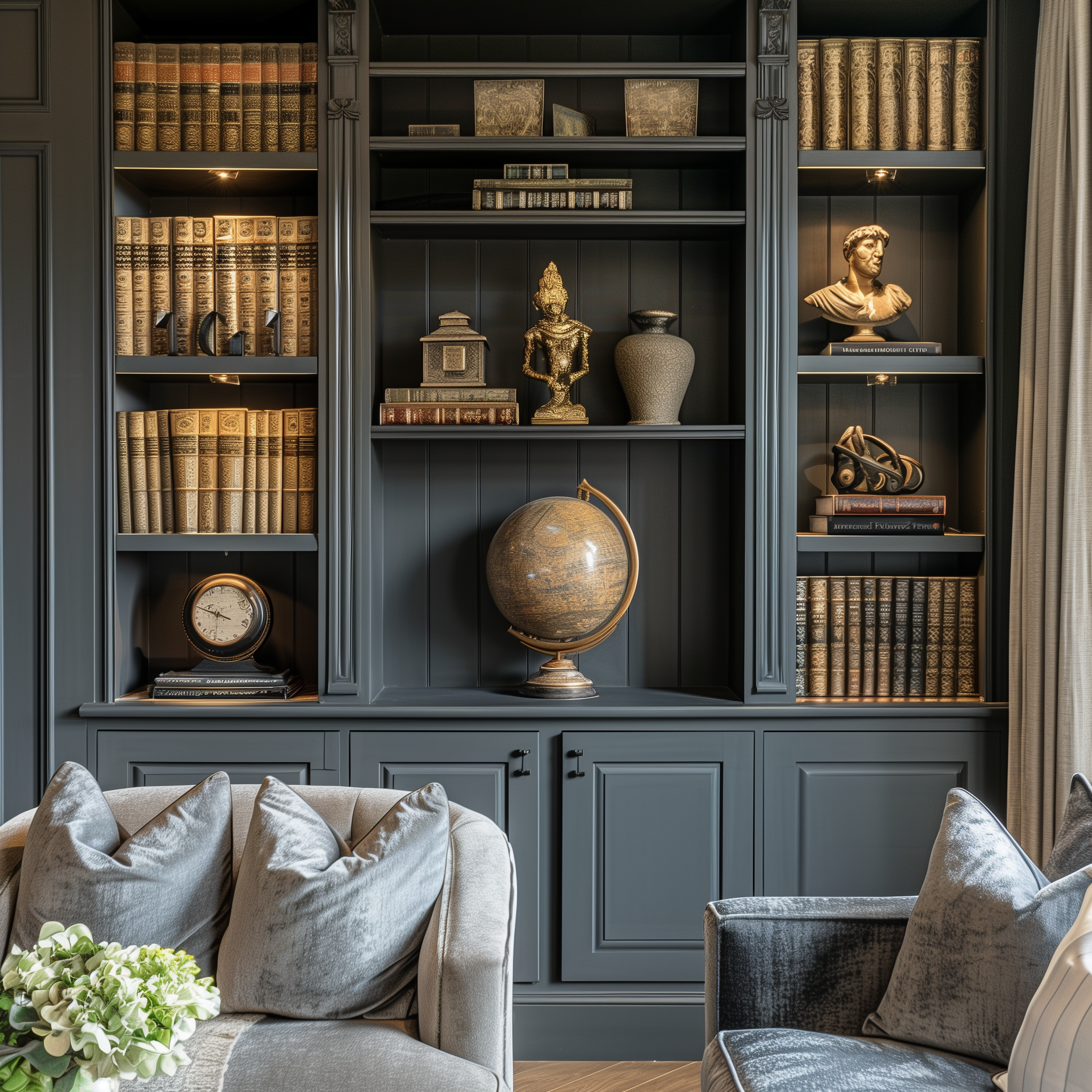
When shopping for furniture, you may have noticed that custom-made pieces often come with a higher price tag than mass-produced alternatives. While this might seem excessive at first, there are several key reasons why custom furniture is more expensive. The craftsmanship, time, and unique design all contribute to its value.
A Unique, One-of-a-Kind Design
Unlike mass-produced furniture, which is made in large quantities with standardised materials and designs, custom furniture is created as a one-off piece specifically tailored to your needs and preferences. Cabinet makers and furniture designers work closely with clients to design furniture that suits their space, style, and functional requirements. This level of personalisation ensures that no two pieces are exactly alike.
Attention to Detail
Custom furniture is crafted by highly skilled cabinet makers who bring years of expertise to their work. Unlike factory-made pieces that rely on automated processes, custom furniture often requires a combination of precision programming for machinery and traditional handcrafting techniques. This meticulous process ensures superior quality and durability, but it also increases production time and labour costs.

Time-Intensive Production Process
Mass-produced furniture is made using automated assembly lines, which significantly reduce manufacturing time and costs. In contrast, custom furniture requires extensive planning, designing, and crafting. From initial consultations and material selection to machine programming and hand-finishing, the entire process can take anywhere from 8 to 12 weeks or more. Each step is carefully executed to meet high standards of quality and craftsmanship.
Premium Materials and Custom Finishes
Custom furniture is often built using high-quality materials chosen to suit the client’s preferences and durability requirements. Whether it’s solid hardwood or specialty veneers, the materials used in bespoke furniture tend to be superior to those found in mass-produced items. Additionally, custom finishes—such as hand-applied stains, or intricate carvings —add to the overall cost but also enhance the piece’s uniqueness and longevity.
Tips for Investing in Custom Furniture
- Set a Realistic Budget: Custom furniture can be a significant investment, so it’s important to establish a budget that aligns with your expectations and needs.
- Plan Ahead: Since custom furniture can take several weeks to produce, plan your purchase in advance, especially if you need it for a specific event or renovation.
- Choose Timeless Designs: Opting for classic and versatile designs can help ensure that your custom piece remains stylish and functional for years to come.
- Understand the Materials: Ask about the different material options and their benefits to make an informed decision that suits your lifestyle.

Value Beyond the Price Tag
While custom furniture may come with a higher upfront cost, it offers lasting value in terms of quality, durability, and exclusivity. Unlike mass-produced furniture that may wear out or go out of style quickly, bespoke pieces are designed to last for generations, making them a worthwhile investment.
When considering custom furniture, it’s important to recognise that you’re not just paying for a piece of furniture—you’re investing in a carefully crafted, personalised work of art that enhances your home or office and reflects your individual style.