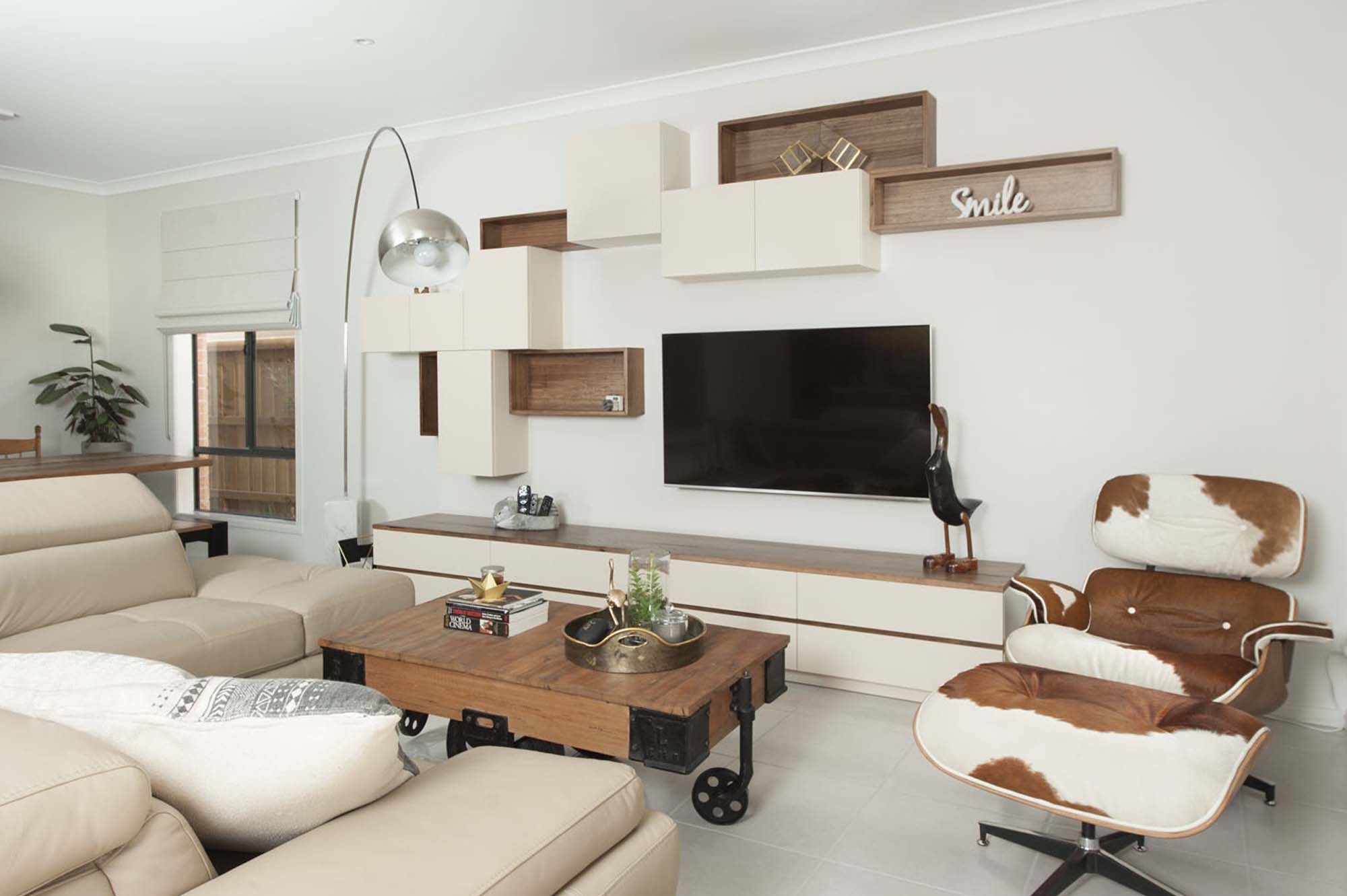
Your living room is the heart of your home, a place where you relax, entertain, and spend quality time with family and friends. One of the key elements in creating a functional and aesthetically pleasing living room is the entertainment unit. Custom made entertainment units offer the perfect blend of style, functionality, and personalisation. In this comprehensive guide, we’ll explore how you can transform your living room with custom made entertainment units, ensuring that you create a space that is both beautiful and practical.
Understanding the Benefits of Custom Made Entertainment Units
Custom made entertainment units are tailored to fit your specific needs and preferences. Unlike off-the-shelf options, custom units match your living room’s unique layout, style, and storage requirements.
Personalisation and Style
One of the biggest advantages of custom made entertainment units is the ability to personalise every aspect of the design. You can choose materials, colours, finishes, and configurations that best suit your taste and existing decor. Whether you prefer a modern, minimalist look or a more traditional, ornate design, custom units reflect your style. Additionally, unique elements like built-in lighting or custom carvings ensure your unit enhances your home’s aesthetic.
Maximising Space
Custom units fit perfectly in your living room, making the most of every inch of available space. This is beneficial for small or irregularly shaped rooms where standard furniture might not fit well. Custom units can include features like built-in shelves, cabinets, and drawers, providing ample storage without overwhelming the room. Space-saving solutions like sliding doors, corner units, or integrated seating areas double as storage, transforming even small spaces into functional areas.
Enhanced Functionality
Custom made entertainment units meet your specific functional needs. Whether you need extra storage for media equipment, space for displaying decor, or compartments for hiding cables and wires, a custom unit accommodates all requirements. Custom features like adjustable shelving, hidden speakers, and integrated charging stations enhance functionality, maintaining a clutter-free, organised living room.
Key Considerations When Designing Custom Entertainment Units
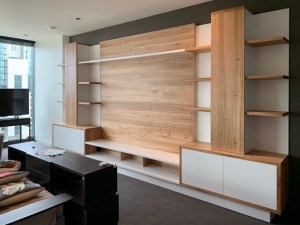
Designing a custom entertainment unit involves several key considerations to ensure the final product is both functional and aesthetically pleasing.
Assessing Your Needs
Before starting the design process, assess your specific needs and how you use your living room. Do you have a large media equipment collection? Do you need space for books, decorative items, or gaming consoles? Understanding your needs helps determine the best layout and features for your custom unit. Consider the types of activities that take place in your living room to prioritise certain design elements over others, enhancing your lifestyle.
Choosing the Right Materials
The choice of materials significantly impacts the look and durability of your custom entertainment unit. Options range from solid wood and veneer to metal and glass, each contributing to the overall style. Wood offers a timeless and warm look, while metal and glass create a sleek, modern aesthetic. Consider the maintenance and longevity of materials. Some require more upkeep but offer greater durability, making them a worthwhile investment.
Balancing Aesthetics and Functionality
Choose a design that complements your living room décor without overlooking functionality. Ensure your custom unit provides enough storage and organisational features to keep your living room tidy. Consider features like adjustable shelves, pull-out drawers, and hidden compartments to maximise usability. Balancing aesthetics and functionality involves strategic choices that serve both practical needs and design preferences.
Integrating Technology
Integrating technology into your entertainment unit is crucial. Plan for cable management systems, power outlets, and ventilation for electronic devices. This keeps your entertainment area neat and ensures devices operate efficiently. Future-proof your design by incorporating space and infrastructure for new technologies. This ensures your custom unit remains functional and up-to-date with home entertainment advancements.
Working with a Professional Designer
Collaborating with a professional designer enhances the process of creating a custom entertainment unit. Designers bring expertise and experience that help you make informed decisions and achieve the best results.
Finding the Right Designer
Look for designers who specialise in custom furniture and have a portfolio matching your style preferences. Check reviews and ask for references to ensure a track record of high-quality work. Meeting multiple designers to discuss your project helps find the right fit for your vision. Additionally, consider the designer’s approach and whether it aligns with your expectations. Some designers may take a more hands-on approach, involving you closely in every decision, while others may provide more general guidance. Choose a designer whose working style complements your needs.
Communicating Your Vision
Clear communication is key to successful collaboration. Share your ideas, preferences, and specific requirements with your designer. Provide photos of your living room and inspiration images reflecting your desired style. Regularly update your designer with feedback to ensure the final product aligns with your vision. Being open to their suggestions can lead to innovative solutions and a better design. Establishing a strong rapport and open communication channels early on can prevent misunderstandings and ensure that both parties are on the same page throughout the project.
Budgeting and Planning
Discuss your budget and timeline with the designer upfront. A good designer helps create a plan that fits your budget while meeting your needs. Be prepared for flexibility, as custom projects may require adjustments. Understanding costs and potential extra expenses helps navigate challenges and ensure smooth project execution. Planning for contingencies and allowing wiggle room in your budget ensures a successful outcome. Regularly reviewing the budget and timeline with your designer can help keep the project on track and within your financial limits.
Leveraging Designer Expertise
Professional designers have access to resources and networks that can enhance the quality and efficiency of your project. They can recommend trusted suppliers and contractors, ensuring that you receive high-quality materials and workmanship. Their experience with similar projects also means they can foresee potential issues and address them proactively. Leveraging their expertise can save time and reduce stress, allowing you to enjoy the creative process.
Finalising the Design
As the project nears completion, work closely with your designer to finalise every detail. This includes reviewing materials, finishes, and hardware to ensure they meet your expectations. A thorough final review can help catch any last-minute adjustments or corrections needed before installation. Ensuring all elements are in place and aligned with your vision will result in a cohesive and polished final product.
Installation and Follow-Up
Once the design is finalised, the installation process begins. Your designer will coordinate with contractors and oversee the installation to ensure everything is executed according to plan. After installation, conduct a walkthrough with your designer to address any issues or touch-ups needed. A good designer will also provide follow-up support, ensuring you are satisfied with the final result and making any necessary adjustments to achieve the perfect custom entertainment unit.
Tips for Maintaining Your Custom Entertainment Unit
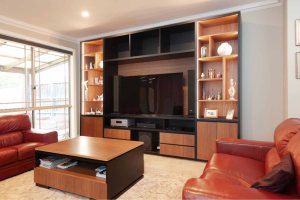
Once your custom entertainment unit is installed, proper maintenance is essential to keep it looking and functioning its best.
Regular Cleaning
Dust and clean your unit regularly to prevent buildup. Use appropriate cleaning products for the materials used in your unit. For example, a damp cloth and mild detergent are suitable for wood, while glass cleaner works well for glass surfaces.
Handling Wear and Tear
Over time, wear and tear are inevitable. Address any minor damages promptly to prevent them from worsening. Touch-up kits are available for wood finishes, and professional repairs can restore more significant damage.
Adapting to Changes
As your needs evolve, you may want to make adjustments to your custom unit. Modular designs allow for easy reconfiguration, and working with the original designer can help you make changes that maintain the integrity of the design.
Transforming your living room with custom made entertainment units is an investment in both style and functionality. By choosing a design that meets your specific needs and complements your decor, you can create a space that is not only beautiful but also practical and organised. Custom units offer unparalleled personalisation, making them the ideal choice for any living room. With careful planning and the right professional guidance, you can enjoy a bespoke entertainment unit that enhances your living space for years to come. Additionally, these units can significantly increase the value of your home, making them a wise investment. Embrace the opportunity to reflect your personal taste while optimising your living room for everyday use and entertainment.