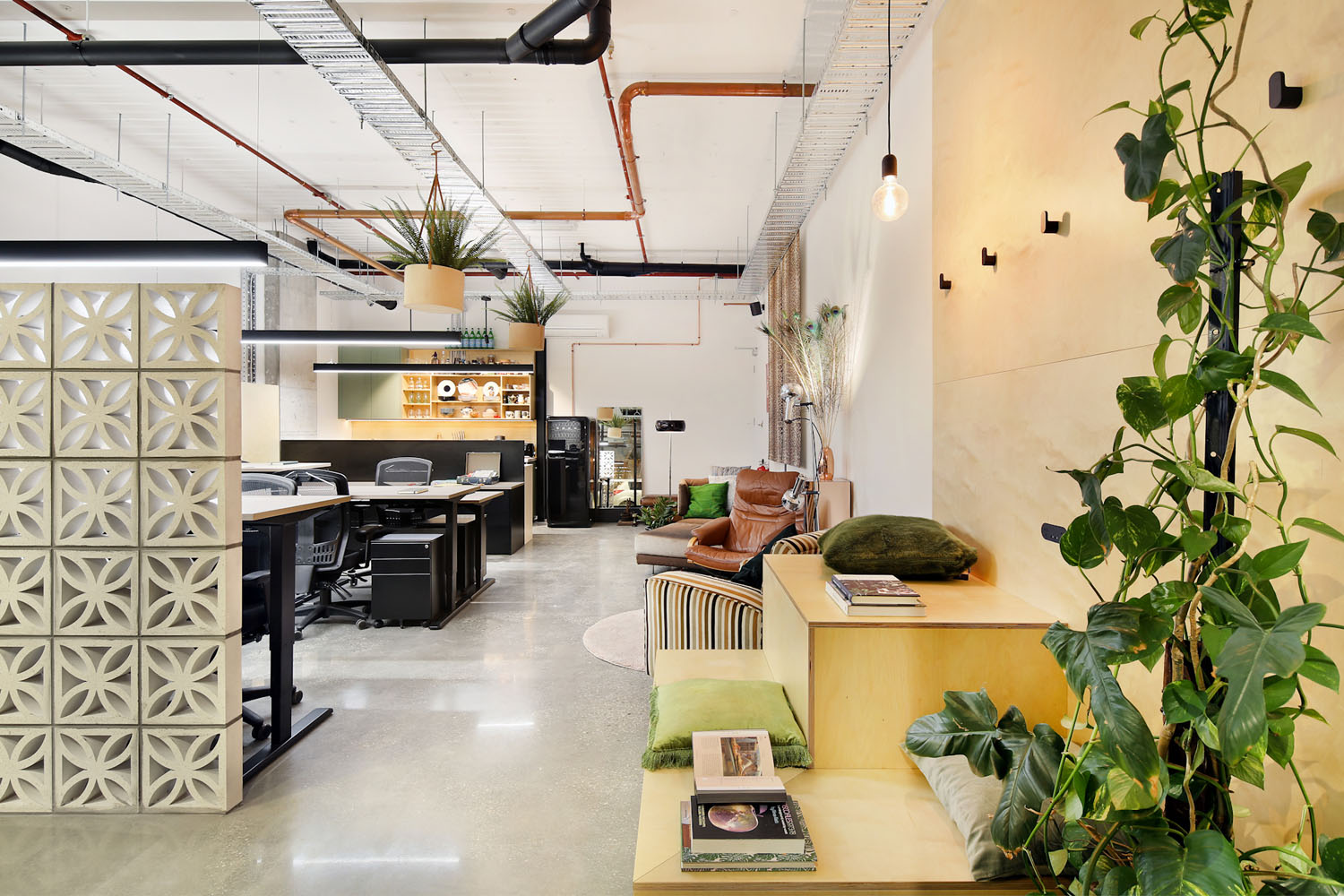
Choosing the right custom office furniture for your business is crucial in creating an environment that enhances productivity, reflects your brand identity, and provides comfort for your employees. Whether you’re setting up a new office or revamping your current workspace, custom furniture can offer tailored solutions that standard pieces simply can’t match. In this comprehensive guide, we’ll delve into the key factors to consider when selecting custom office furniture to ensure you make the best choices for your business needs.
Understand Your Business Needs and Goals
Before diving into the specifics of furniture selection, it’s important to have a clear understanding of your business’s needs and goals. Consider the nature of your work, the size of your team, and the tasks that will be performed in the office. Are you a tech startup needing collaborative spaces, or a law firm requiring private, quiet areas? Understanding these requirements will guide your furniture choices.
Assess Your Space
Evaluate the physical dimensions of your office space. Measure each area where furniture will be placed and note any architectural features that could impact your layout, such as windows, doors, and electrical outlets. This step ensures that your custom furniture fits perfectly within your space without overcrowding or underutilising it.
Prioritise Comfort and Ergonomics

Comfort and ergonomics are critical for employee well-being and productivity. Poorly designed furniture can lead to discomfort and health issues, such as back pain and repetitive strain injuries. When selecting custom office furniture, prioritise ergonomic designs that support good posture and provide comfort over extended periods.
Chairs
Ergonomic chairs are a must-have. Look for features such as adjustable seat height, lumbar support, and armrests. The ability to customise these elements will ensure each employee can tailor their chair to their specific needs, enhancing comfort and reducing fatigue.
Desks
Desks should offer ample workspace and be at a height that allows for comfortable typing and writing. Consider adjustable-height desks that allow employees to alternate between sitting and standing throughout the day, promoting better health and productivity.
Reflect Your Brand Identity
Your office furniture should reflect your company’s brand identity and culture. Custom furniture provides the flexibility to choose designs, colours, and materials that align with your brand. A cohesive and well-designed office can boost employee morale and leave a positive impression on clients and visitors.
Design and Aesthetics
Choose furniture styles that resonate with your brand’s image. A modern tech company might opt for sleek, minimalist designs, while a traditional firm might prefer classic, sophisticated pieces. The right design can convey professionalism, creativity, or innovation, depending on your brand’s identity.
Colours and Materials
Colours can significantly impact mood and productivity. Neutral tones can create a calm and focused environment, while bold colours can energise and inspire creativity. The materials you choose should be durable and suitable for the office environment. Consider materials that are easy to clean and maintain, ensuring longevity and a professional appearance.
Optimise for Functionality
Functionality is key in an office environment. Furniture should not only look good but also meet the practical needs of your employees. Think about the specific functions your furniture needs to serve and how custom solutions can address these requirements.
Storage Solutions
Adequate storage is essential to keep the office organised and clutter-free. Custom storage solutions, such as built-in cabinets, shelving units, and file organisers, can be designed to fit seamlessly into your office layout while meeting your specific storage needs.
Technology Integration
In today’s digital age, integrating technology into your furniture design is a necessity. Custom desks with built-in cable management systems, charging ports, and monitor stands can help keep the workspace tidy and functional. Consider furniture that can accommodate the latest tech tools your team uses daily.
Budget Considerations
While custom office furniture can be more expensive than off-the-shelf options, it’s important to view it as an investment in your business. High-quality, ergonomic, and well-designed furniture can improve employee satisfaction, reduce turnover, and enhance productivity, offering long-term cost savings. Investing in custom solutions also reflects a commitment to providing a comfortable and efficient workspace, which can boost employee morale and attract top talent.
Set a Realistic Budget
Determine a realistic budget for your custom furniture needs. Consider the total cost of ownership, including potential maintenance and replacement costs. It’s often worth spending more upfront for durable, high-quality pieces that will last longer and perform better. Remember to factor in costs for delivery, installation, and potential customisation fees. By planning your budget comprehensively, you can avoid unexpected expenses and ensure a smooth implementation process.
Cost-Effective Solutions
If budget constraints are a concern, prioritise key pieces such as chairs and desks where ergonomics and comfort are most critical. Consider mixing custom pieces with standard items to balance cost and customisation. Look for versatile furniture that can serve multiple functions, reducing the need for additional pieces. Additionally, seek out discounts, bulk purchase deals, or financing options that suppliers might offer to make your investment more manageable.
Collaborate with a Reputable Supplier
Choosing the right supplier is just as important as selecting the right furniture. Look for suppliers with a strong reputation for quality and reliability. A good supplier will work with you to understand your needs, provide design expertise, and deliver high-quality custom furniture that meets your specifications.
Research and Reviews
Research potential suppliers and read reviews from other businesses. Look for case studies or testimonials that demonstrate their ability to deliver on their promises. A reputable supplier should have a portfolio of successful projects and satisfied clients.
Customisation Options
Ensure the supplier offers a wide range of customisation options. The more flexibility they provide, the better they can tailor the furniture to your specific needs and preferences. Discuss your ideas and see if they can bring them to life within your budget and timeframe.
Plan for Future Growth
When selecting custom office furniture, it’s important to consider the future needs of your business. Anticipate potential growth and changes in your team or operations. Furniture that can adapt to these changes will save you time and money in the long run. Thinking ahead and planning for expansion ensures that your workspace remains functional and cohesive as your business evolves. Flexible furniture solutions can prevent the need for frequent replacements, minimising disruption and expense.
Scalable Solutions
Opt for scalable furniture solutions that can grow with your business. Modular furniture, for example, can be easily reconfigured or expanded as your team grows or your space requirements change. This adaptability is crucial for maintaining an efficient workspace without the need for constant reinvestment. Look for pieces that offer easy add-ons or adjustments, such as desks that can be extended or storage units that can be stacked or moved.
Longevity and Durability
Invest in furniture that is built to last. High-quality materials and construction will ensure your furniture stands up to daily use and continues to look and perform well over time. Durability is particularly important for items like desks and chairs that see constant use. Choosing well-made, robust furniture not only provides better value over time but also reduces the environmental impact by decreasing the frequency of replacement. Additionally, durable furniture supports a professional appearance and consistent functionality, contributing to a stable and productive work environment.
Sustainability and Environmental Considerations
Sustainability is an increasingly important factor in business decisions. Choosing eco-friendly furniture can help reduce your environmental footprint and align with corporate social responsibility goals. Incorporating sustainable practices in your office design not only benefits the environment but also enhances your company’s reputation among eco-conscious clients and employees. Emphasising sustainability can attract talent and customers who prioritise environmental responsibility.
Eco-Friendly Materials
Look for furniture made from sustainable materials such as recycled wood, bamboo, or metal. These materials not only reduce environmental impact but also often offer unique aesthetic qualities. Recycled materials, for instance, can add character and a distinct look to your office, making it stand out. Additionally, sustainable materials tend to have lower emissions in their production processes, further reducing your business’s overall carbon footprint.
Certification and Standards
Choose suppliers that adhere to environmental standards and certifications, such as FSC (Forest Stewardship Council) certification for wood products. These certifications ensure that the materials used are sourced responsibly and sustainably. Other certifications to consider include GREENGUARD, which ensures low chemical emissions, and BIFMA Level, which covers sustainability across a product’s lifecycle. By selecting certified products, you support practices that promote environmental stewardship and social responsibility, contributing to a healthier planet and a more sustainable business model.
Selecting the right custom office furniture for your business involves careful consideration of your space, ergonomic needs, brand identity, functionality, budget, supplier reliability, future growth, and sustainability. By taking the time to plan and invest in high-quality, custom solutions, you can create an office environment that enhances productivity, reflects your brand, and supports the well-being of your employees.
In summary, choosing the right custom office furniture is not just about aesthetics but also about creating a functional, comfortable, and sustainable workspace that can adapt to the evolving needs of your business. Remember, the right furniture is an investment in your company’s future, contributing to a productive and positive work environment.