

When planning a new office fit-out or renovating a space, one of the most important design choices you’ll make is whether to go with built-in furniture or free-standing furniture. Both have their place, but many clients are surprised by the price difference—built-in options often come at a noticeably higher cost. So, why is that? Let’s break down the key differences and what contributes to the price tag.
What’s the Difference?
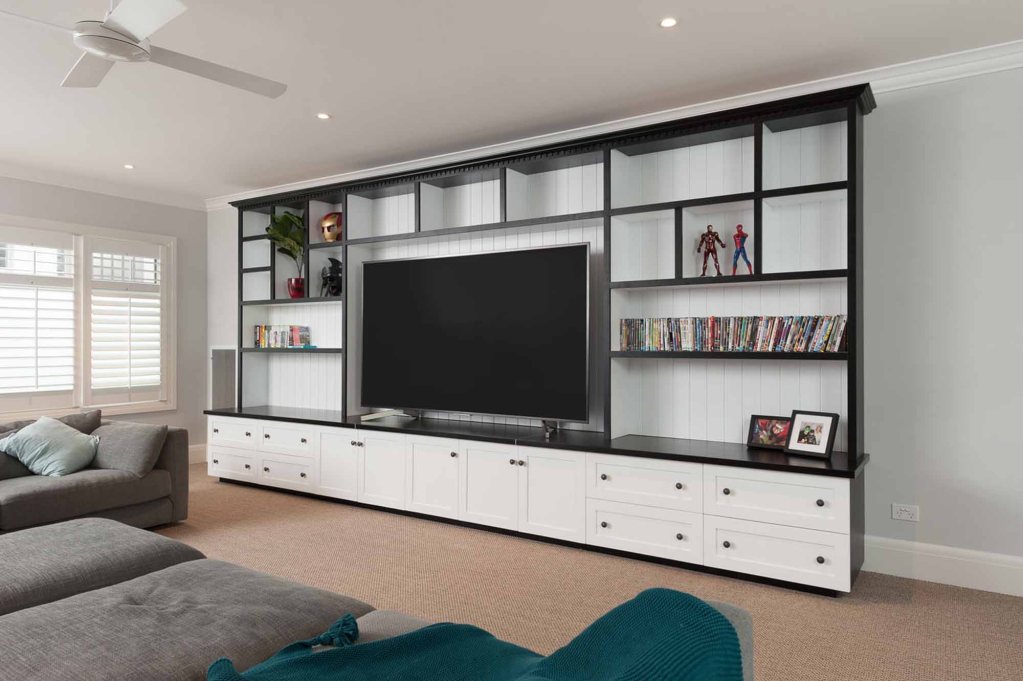
Built-in furniture is custom-made to fit seamlessly into your space. It’s often integrated with the walls or structure of the room—like cabinetry, shelving, entertainment centres, or reception desks. It’s designed specifically for your layout, needs, and style, and typically installed by professionals.

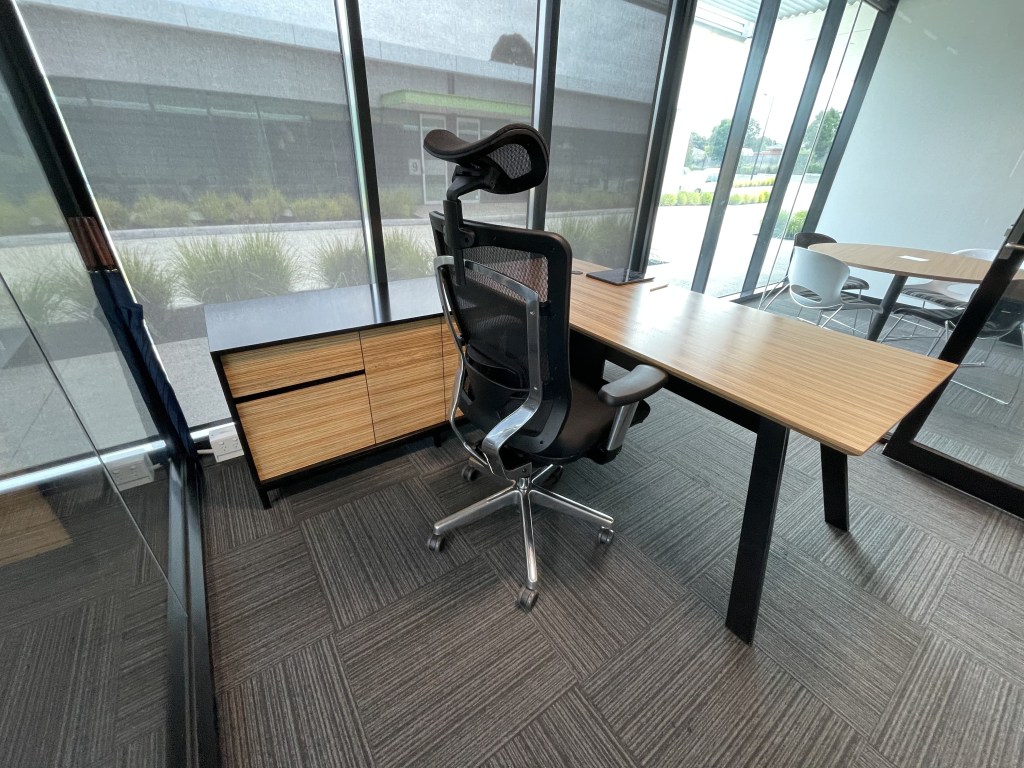
Free-standing furniture, on the other hand, includes pieces that are fully movable and not fixed to any part of the room. Think desks, dining tables, buffets, bookshelves, and tv units. These often require little to no installation.

Why Is Built-In Furniture More Expensive?
1. Custom Design and Fabrication
Built-in furniture is made-to-measure, which means more time spent on design, material selection, and manufacturing. Each piece is tailored to your space’s dimensions (from wall to wall or ceiling to floor for example), needs and aesthetic—there’s no “one-size-fits-all.” This level of customisation requires experienced designers, joiners, and finishers, which adds to the cost.
2. Higher Labour and Installation Costs
Installing built-in furniture is a skilled job. It often involves working on-site to ensure a perfect fit, and sometimes coordinating with other trades (like electricians or builders). This labour-intensive process takes longer than simply placing a free-standing unit, and the time and expertise involved increase overall costs.
3. Premium Materials
Because built-in furniture is meant to be permanent and integral to the space, it’s often made with higher-quality, more durable materials. Clients also tend to choose premium finishes, hardware, and fittings for built-in pieces to match their long-term vision for the space.
4. Structural Considerations
Built-in furniture can require additional support, wall reinforcement, or integration with existing structures. For example, a built-in wall unit may need to be anchored to wall studs or reinforced for weight-bearing shelves—none of which apply to free-standing items.
5. Limited Flexibility
Once it’s in, it’s in. Built-in furniture can’t be easily moved or repurposed, which makes the design process even more critical. The investment goes into long-term value and functionality—unlike free-standing furniture, which is easier to relocate or replace.
When to Choose Built-In Furniture
-
You need a tailored, permanent solution that fits your space perfectly
-
You want to maximise storage or make the most of awkward layouts
-
You’re designing a high-end space that values aesthetics and integration
-
You’re planning a long-term layout and don’t foresee major changes

When Free-Standing Furniture Makes Sense
-
You want flexibility to rearrange or expand the layout
-
You’re on a tighter budget or outfitting a temporary workspace
-
You need quicker installation and less disruption
-
You prefer modular, scalable options that can evolve
- You want a piece that can go with you if you move home or offices
Final Thoughts
While built-in furniture comes at a higher cost, it delivers unmatched customisation, quality, and long-term value—making it ideal for homes and workplaces looking to invest in lasting design and functionality. Free-standing furniture is perfect for flexibility and a more affordable option.
Ultimately, the best choice depends on your space, goals, and budget. In many cases, a thoughtful mix of both can provide the perfect balance.
Need help deciding which option suits you?
Contact CM Furniture Design — we’ll help you design the right solution, whether it’s built-in, free-standing, or a custom combination of both.